How Esports Are Changing Traditional Sports Viewership
Introduction
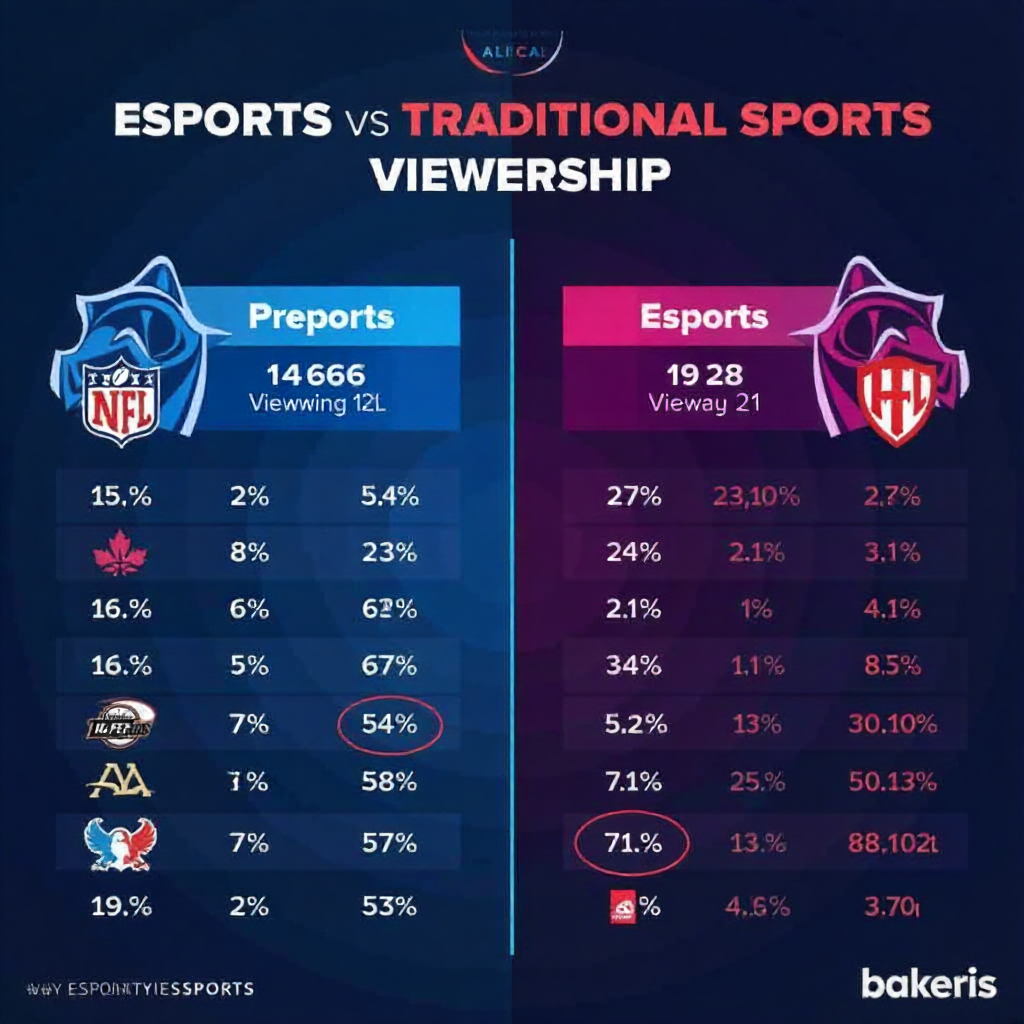
Esports has rapidly emerged as a major entertainment force alongside traditional sports, transforming how fans engage with athletic competition. With the esports industry growth surging in recent years, it no longer sits on the sidelines but actively influences traditional sports viewership trends, fan interaction, and commercial models. This article explores how the rise of esports and associated streaming platforms are reshaping audiences, sponsorships, and broadcasting of conventional sports, particularly football, while forging a dynamic crossover between both worlds.
The Evolution of Sports Viewership
Traditional sports viewership, historically centered on television broadcasts and in-person attendance, has undergone profound changes over the last decade. The rise of digital media and mobile consumption led to a decline in linear TV ratings for sports like football and basketball, especially among younger demographics. Fans now seek more interactive and personalized viewing experiences, favoring highlights, real-time stats, and social engagement.
Sports media rights have also fragmented, with leagues selling content across multiple channels and platforms—sometimes at the expense of unified viewership. This evolution reflects broader shifts in how fans discover, consume, and participate in sports culture. The challenge has become maintaining engagement in an environment where both attention spans and entertainment choices multiply rapidly.
The Rise of Esports and Streaming Platforms
The esports industry growth has been fueled largely by major streaming platforms like Twitch, YouTube Gaming, and Facebook Gaming. These platforms revolutionized viewership by enabling live, on-demand, and interactive streaming formats that traditional sports rarely offered. Esports tournaments attract millions globally, generated by games such as League of Legends, Dota 2, and Valorant, but also by sports simulators like FIFA.
Streaming platforms allow fans to engage directly with players and other viewers via chat, polls, and multi-camera angles. This interactive, social viewing experience creates strong community bonds that differentiate esports from conventional sports consumption. The on-demand accessibility and global reach have helped shape new viewer demographics, particularly younger audiences who prioritize convenience and digital interaction over passively watching TV broadcasts.
Crossover Between Esports and Traditional Sports Fans
The crossover appeal between esports and traditional sports fans lies in their shared passion for competition, strategy, and team loyalty. Many traditional sports enthusiasts also follow esports, especially football fans who engage with FIFA esports tournaments. This dual interest often stems from casual gaming habits, where fans play sports video games that bridge the gap between digital and physical sports fandoms.
Cross-platform fan engagement deepens as influencers and athletes increasingly participate in both realms. Football clubs signing esports teams and hosting digital tournaments expand brand reach to tech-savvy audiences. Likewise, esports players adopting traditional sports rituals boost authenticity and recognition. This hybrid fanbase is critical for driving growth and innovation in fan interaction models.
Impacts on Broadcasting and Sponsorship
Broadcasting and sponsorship have shifted significantly due to esports’ influence. Sports media rights now often include digital streaming components with interactive features developed from esports best practices. Broadcasters experiment with integrating chat overlays, fantasy esports leagues, and augmented reality to enhance viewer engagement on traditional sports streams.
Sponsorship dollars have also flowed increasingly into esports, with major brands from tech, automotive, and even traditional sports industries investing in tournaments and teams. This cross-pollination helps advertisers reach a more diverse demographic while leveraging the excitement and authenticity that esports communities demand. However, this also means competition for sponsorship is intensifying, requiring sports media companies to innovate continuously to retain partner interest.
Football and Esports: A Closer Look
Football esports, particularly FIFA esports, represents one of the clearest examples of integration between traditional sports and digital gaming. FIFA esports tournaments attract millions of viewers by combining real-world football passion with fast-paced, skill-based gameplay. Football clubs owning esports franchises have created new revenue streams and fan engagement formats that extend beyond stadiums.
This relationship also fuels casual gaming interest, where fans engage with football through accessible video games that echo real-world leagues and players. The synergy benefits both sides: traditional football increases digital reach and younger fan engagement, while esports gains legitimacy and a structured competitive framework modeled on physical sports.
The Future Landscape
Looking ahead, esports and traditional sports will likely coexist as complementary entertainment forms, each influencing viewer habits and business strategies. The future sports landscape will blend live events with immersive, interactive digital experiences, supported by evolving technology like VR and AI-enhanced broadcasting.
Sports organizations should continue embracing esports principles — community building, real-time interaction, and cross-platform accessibility — to attract and retain younger audiences. Similarly, esports will benefit from adopting established sports’ regulatory standards and storytelling traditions to boost mainstream appeal.
Ultimately, the fusion between esports and traditional sports will deepen, creating multifaceted fan experiences that merge physical and digital sports culture in unprecedented ways.
Frequently Asked Questions
What is the main difference between esports and traditional sports viewership?
Esports viewership emphasizes interactive, digital-first experiences with live streaming and real-time chat, while traditional sports have historically relied on passive TV broadcasts and stadium attendance. Esports fosters community engagement in ways conventional sports are now adopting.
How do streaming platforms influence sports consumption habits?
Streaming platforms like Twitch and YouTube enable flexible, on-demand viewing with interactive features, attracting younger audiences who prefer engaging and social content over fixed TV schedules. This shift pushes traditional sports to innovate around digital accessibility and fan interaction.
Can traditional sports learn from esports to attract younger audiences?
Yes, by adopting esports-inspired features such as live chat, player-direct interaction, multi-angle views, and integrating casual gaming elements, traditional sports can evolve their fan engagement and appeal to younger, digitally native viewers.
Are esports viewers also interested in traditional sports?
Many esports viewers share interests with traditional sports fans, especially in titles like FIFA esports, where football supporters engage with digital tournaments. This crossover creates opportunities for brands and leagues to expand audiences across both domains.
What role does technology play in evolving sports viewership?
Technology drives new viewing formats, from streaming platforms to augmented reality and AI-driven analytics. These innovations deliver personalized, interactive, and immersive experiences that redefine how fans consume and connect with sports content.
Sources: Wikipedia page on Esports, and industry reports on sports media rights and streaming platform analytics.